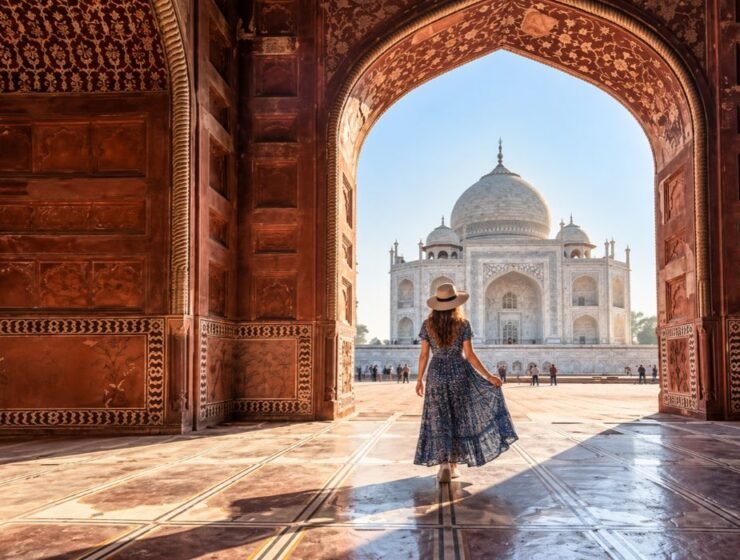

Planning a trip to Agra? Knowing the most common mistakes to avoid can help you save time, travel more comfortably, and enjoy the Taj Mahal without unnecessary stress. From choosing the wrong visiting day to underestimating travel time from Delhi, small planning errors can affect your entire experience.
Agra is home to extraordinary Mughal architecture, including the Taj Mahal and Agra Fort. However, a rewarding visit requires more than booking a ticket and arriving at the monument. You also need to understand entry rules, plan realistic sightseeing hours, prepare for local weather, and know exactly what your tour includes.
Whether you are visiting Agra for one day or planning a longer holiday, these 11 practical Agra travel tips will help you avoid common problems and make better decisions before you leave.
If you prefer organised transport, compare the arrangements offered by a same-day Taj Mahal tour by car and confirm the pickup time, return journey, and inclusions before booking.
1. Visiting the Taj Mahal on the Wrong Day
One of the biggest mistakes travelers make is planning their Agra itinerary without checking the Taj Mahal’s weekly closing day.
The Taj Mahal is closed for general sightseeing every Friday. If your visit falls on that day, you will need to adjust your plans rather than expect normal tourist entry. Agra Fort and several other attractions remain available for sightseeing.
Visiting time also matters. The Taj Mahal normally opens 30 minutes before sunrise and closes 30 minutes before sunset, although you should check the official schedule before travelling.
Early morning visits can offer cooler temperatures and softer light, particularly during warmer months. Late afternoon can also be rewarding, depending on the weather and crowd levels.
How to avoid this mistake:
- Check the official opening schedule before booking transport or accommodation.
- Consider an early morning visit if you want to avoid some of the midday heat.
- Allow enough time for security checks and walking around the monument.
- Check public holidays, weather forecasts, and any special visitor notices before departure.
Always verify the latest information through the official Taj Mahal website.
2. Underestimating Travel Time from Delhi
The journey from Delhi to Agra is manageable, but assuming you will arrive at an exact time can create unnecessary pressure.
The Yamuna Expressway provides a direct road connection between the two cities. However, your total journey time depends on your pickup location, traffic, road conditions, rest stops, and the time of year.
Winter fog can also affect visibility and driving speeds in northern India. A journey that seems straightforward on paper may take longer than expected.
This becomes especially important when you have a timed ticket, a guide waiting for you, or a return journey to Delhi on the same evening.
How to avoid this mistake:
- Start early enough to allow for traffic and unexpected delays.
- Add a reasonable buffer between your estimated arrival and planned monument entry.
- Check the weather and traffic conditions before leaving.
- If travelling by train, allow time for reaching the station and transferring between Agra Cantt and the attractions.
- Avoid scheduling a flight or another important commitment immediately after your planned return.
3. Ignoring Ticket and Security Rules
Arriving at the Taj Mahal without checking ticket requirements or prohibited items can waste valuable sightseeing time.
The monument has security procedures, and not everything you normally carry while travelling is permitted inside. Large bags can also make security checks more time-consuming.
Another detail many visitors overlook is that entry to the main mausoleum requires an additional ticket beyond the standard monument admission ticket.
Ticket prices, booking arrangements, and entry conditions can change, so relying on an old travel blog or an outdated social media post is not the best approach.
How to avoid this mistake:
- Purchase tickets through the official booking channel or check the authorised ticket counter arrangements.
- Confirm whether you want to enter the main mausoleum and select the appropriate ticket.
- Carry the identification required for your booking.
- Travel with a small bag and check the current list of prohibited items.
- Follow the instructions provided by monument security staff.
According to the official visitor guidance, drones, tripods without the required permission, food, smoking products, and several other items are prohibited. Mobile chargers are also listed among the prohibited items. Do not assume that every electronic accessory is allowed.
Check the latest Taj Mahal visitor rules before packing.
4. Trying to Visit Every Attraction in One Day
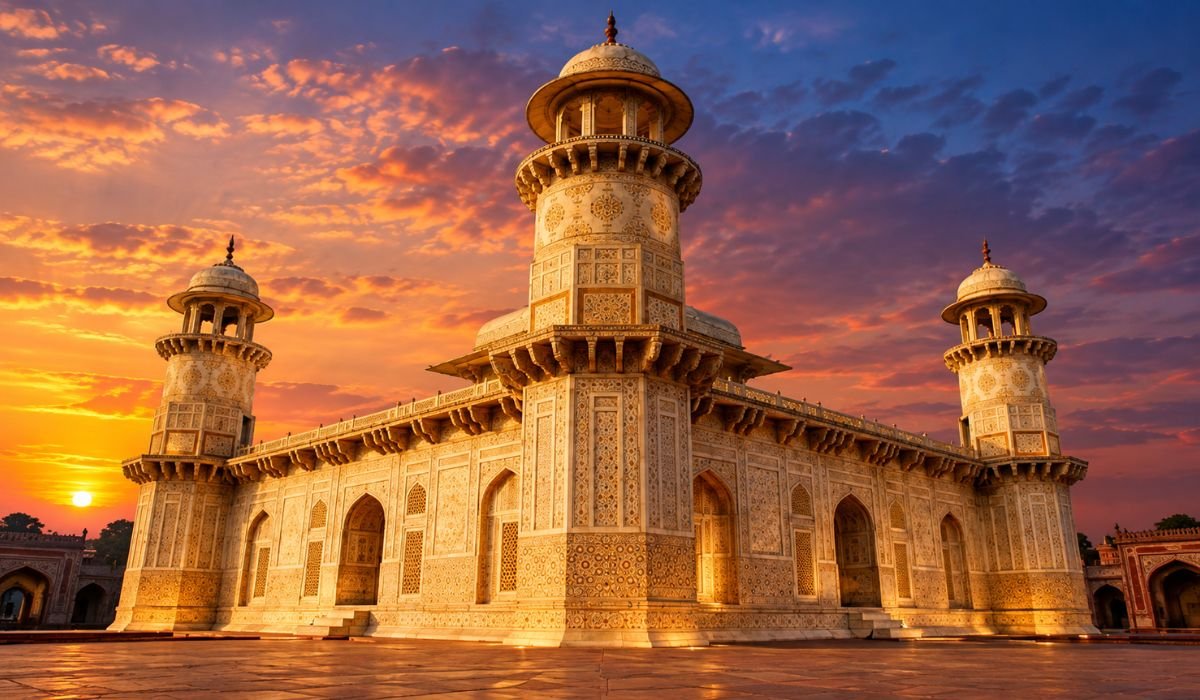
Agra has more to offer than the Taj Mahal. Visitors can explore Agra Fort, the Tomb of Itimad-ud-Daulah, Mehtab Bagh, and other historic sites. Fatehpur Sikri is another important destination outside the city.
The mistake is trying to fit all these places into one day without considering travel time, security queues, walking distances, meals, and the time needed to appreciate each monument.
Visiting several attractions can be possible with careful planning, but more stops do not automatically create a better experience.
For many first-time visitors, the Taj Mahal and Agra Fort make a sensible starting point. Travelers with more time can consider additional sites according to their interests.
How to avoid this mistake:
- Choose your two or three highest-priority attractions before arriving.
- Consider the distance between locations rather than looking only at a map.
- Leave time for meals, rest, photography, and unexpected delays.
- Consider an overnight stay if you want a more relaxed visit or plan to explore Fatehpur Sikri.
- Avoid treating every monument as a quick photo stop.
For help comparing itineraries, explore these same-day Agra tours and choose an option that fits your available time.
5. Agreeing to Unplanned Shopping Stops
Agra is known for its marble inlay craftsmanship, embroidery, leather products, and traditional sweets. Exploring local crafts can be an enjoyable part of a trip, especially if you are interested in the city’s artistic heritage.
The problem arises when shopping stops are added to your itinerary without your agreement.
An unexpected detour can consume time that you intended to spend sightseeing. Some visitors may also feel uncomfortable when they encounter persistent sales pitches or pressure to purchase expensive souvenirs.
However, it is important not to assume that every local shop or artisan is dishonest. The key is to make informed choices and establish your preferences in advance.
How to avoid this mistake:
- Tell your driver or tour operator whether you want shopping included.
- Ask about the planned stops before confirming your booking.
- Compare prices and product quality before making a purchase.
- Request clear information about materials, authenticity, and delivery arrangements for expensive items.
- Politely decline purchases you do not want to make.
If your priority is visiting monuments, make that preference clear when arranging transport. A well-planned itinerary should reflect your interests rather than unrequested detours.
6. Choosing Food Without Planning Your Sightseeing Schedule
A day of sightseeing can involve considerable walking, standing in queues, and spending time outdoors. If you ignore meal breaks or hydration, you may become tired before you have finished exploring.
At the same time, travelling far from your route for a long lunch can leave you with less time at the monuments.
Agra offers a variety of dining options, from local restaurants serving Mughlai dishes to cafés and hotel restaurants. You can enjoy local food while making sensible decisions about hygiene and convenience.
How to avoid this mistake:
- Plan a reasonable lunch break between major attractions.
- Drink safe water and avoid drinking untreated tap water.
- Choose restaurants with good hygiene practices.
- Be cautious with food that has been left uncovered or stored improperly.
- Consider dietary requirements when selecting restaurants.
- Carry essential medication and any personal items you may need during the day.
If you want to try Agra’s famous petha, purchase it from a reputable seller and check the packaging and storage conditions.
The aim is not to avoid local food. It is to enjoy it without allowing meal planning to disrupt your entire itinerary.
7. Wearing Uncomfortable Clothes or Footwear
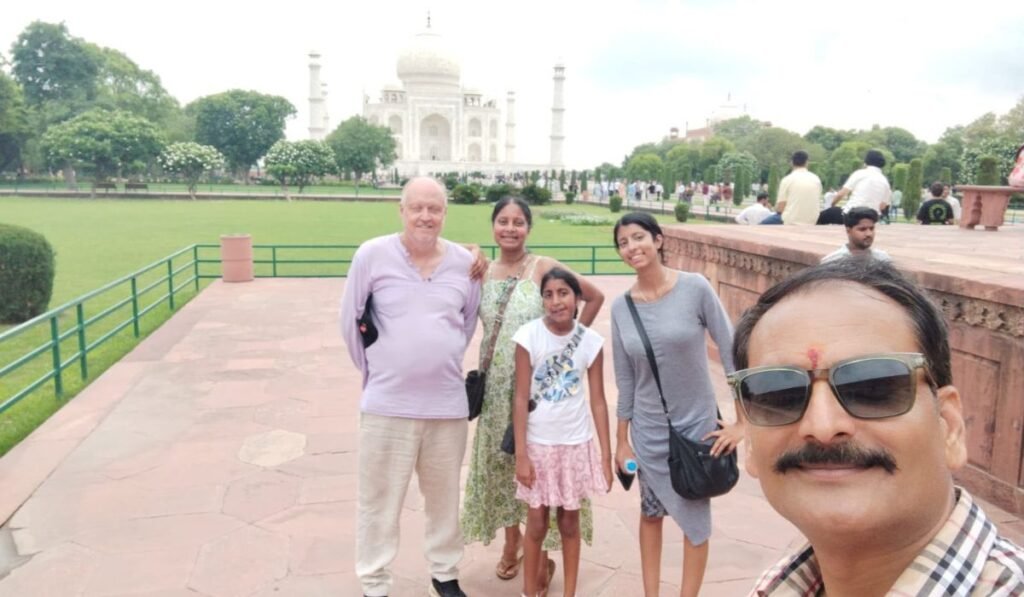
The Taj Mahal and Agra Fort involve walking across gardens, courtyards, paved surfaces, and other areas that can become uncomfortable in hot weather.
Uncomfortable shoes may turn an enjoyable visit into an exhausting one. Heavy clothing can also make sightseeing difficult during warmer months.
There is another practical consideration: visitors must follow footwear and access instructions in designated areas of the Taj Mahal complex, particularly around the main mausoleum.
How to avoid this mistake:
- Wear comfortable walking shoes that are easy to remove when required.
- Choose breathable clothing suited to the season.
- Carry a hat, sunglasses, and sun protection during hot weather.
- Bring a light layer during cooler winter mornings.
- Follow the monument’s instructions about shoe covers and footwear restrictions.
You do not need to dress formally to visit Agra’s historic attractions. Comfortable, weather-appropriate clothing will usually make the experience more enjoyable.
8. Visiting Without Understanding the History
The Taj Mahal is more than a beautiful building. Its architecture, decorative details, gardens, and relationship with Mughal history make it one of India’s most significant historic monuments.
Without some historical context, it is easy to spend your entire visit taking photographs without noticing the craftsmanship around you.
The Taj Mahal was commissioned by Mughal emperor Shah Jahan in memory of Mumtaz Mahal. Its design combines architectural influences and intricate decorative work, including the stone inlay commonly known as pietra dura.
Agra Fort offers another perspective on Mughal history, with palaces, audience halls, courtyards, and views towards the Yamuna River.
How to avoid this mistake:
- Read a short historical overview before your visit.
- Consider hiring a qualified, appropriately authorised guide if you want detailed explanations.
- Ask questions about the architecture, inscriptions, materials, and historical figures.
- Take time to observe the smaller details rather than rushing between photo spots.
- Use reliable historical sources rather than repeating popular myths.
A knowledgeable guide can help explain details that might otherwise go unnoticed. If you book one, confirm the guide service, language, and fees in advance.
9. Planning Photographs Without Checking Monument Rules
Photographs are an important part of many Agra trips, but relying on social media images can create unrealistic expectations.
Crowds, weather, lighting, and access restrictions all influence what you can photograph. The Taj Mahal can look different throughout the day, so there is no guarantee that every photograph will match an image you have seen online.
Photography restrictions are particularly important inside the main mausoleum, where photography is prohibited. Tripods and drones are also subject to strict restrictions.
How to avoid this mistake:
- Check photography rules before bringing equipment.
- Use a handheld camera or phone where permitted.
- Visit early if you prefer cooler conditions and potentially lighter crowds.
- Be patient when waiting for a clear view of popular viewpoints.
- Respect other visitors and avoid obstructing walkways.
- Consider Mehtab Bagh for a different perspective of the Taj Mahal across the Yamuna River.
You do not need expensive camera equipment to capture memorable photographs. Understanding the light, respecting the rules, and allowing enough time are often more valuable.
10. Forgetting Seasonal Weather and Local Conditions
Agra’s weather can influence almost every part of your visit, from road travel and walking comfort to photography.
Summer can bring intense heat, while the monsoon season may bring humidity and rain. Winter mornings can sometimes experience fog, which may affect road visibility and views of the Taj Mahal.
These conditions do not make a particular season unsuitable for everyone. They simply mean that your plans should match the weather.
How to avoid this mistake:
- Check a reliable weather forecast shortly before your trip.
- During summer, prioritise earlier sightseeing and take breaks during the hottest part of the day.
- During the monsoon, carry suitable rain protection and allow extra travel time.
- In winter, bring an extra layer and prepare for possible morning fog.
- Keep your itinerary flexible if the weather affects transport or visibility.
If sunrise photography is your main priority, remember that the weather can affect visibility even when you arrive on time. Plan around the season without expecting guaranteed conditions.
11. Booking a Tour Without Checking What’s Included
A tour’s advertised price does not always tell you everything you need to know about the experience.
Some arrangements include private transport only, while others may include a guide, monument tickets, meals, or additional services. If you do not clarify these details before paying, unexpected expenses can affect your budget.
This does not mean the cheapest tour is necessarily a bad choice or the most expensive is automatically the best. What matters is understanding exactly what you are purchasing.
How to avoid this mistake:
Before confirming your booking, ask the operator:
- Is pickup and drop-off included, and from which location?
- Is the vehicle private and air-conditioned?
- Are fuel, expressway tolls, parking, and applicable taxes included?
- Are monument entrance tickets included in the quoted price?
- Is a guide included, and in which language?
- Are meals, waiting time, or additional sightseeing stops included?
- What happens if traffic, bad weather, or a schedule change affects the itinerary?
- What are the cancellation and refund conditions?
Request clear written confirmation of the inclusions and exclusions.
If you are comparing different options, read this guide to Agra tour costs to help you understand which expenses to consider when planning your budget.
A transparent booking arrangement makes it easier to compare services and choose an option that suits your travel style.
A Simple Agra Trip Planning Checklist
Before leaving for Agra, take a few minutes to review this checklist.
- Check the date: Confirm that the Taj Mahal is open on your intended sightseeing day.
- Review ticket requirements: Check official admission information and any additional ticket options.
- Plan transport: Allow enough time for traffic, transfers, and security.
- Choose your priorities: Decide which monuments matter most to you.
- Pack appropriately: Carry comfortable footwear, suitable clothing, and permitted essentials.
- Check the forecast: Prepare for heat, rain, or winter fog.
- Confirm tour inclusions: Clarify transport, guide services, tickets, taxes, and cancellation terms.
- Keep booking details handy: Save confirmations and the contact details of your transport provider.
- Leave room for flexibility: Avoid scheduling every activity down to the minute.
A little preparation can prevent many of the problems that visitors encounter during a busy sightseeing day.
Can You Explore Agra in One Day?
Yes, it is possible to visit the Taj Mahal and Agra Fort in one day, especially if you are already staying in Agra or have arranged an early departure from Delhi.
However, the right itinerary depends on your starting point, travel time, interests, and pace. Visitors travelling from Delhi need to account for the return journey as well as time spent at the monuments.
Here is an illustrative itinerary for a day trip from Delhi. Actual timings will depend on traffic, ticket arrangements, and the season.
Morning: Travel to Agra and visit the Taj Mahal
Leave Delhi early enough to allow for road conditions and security checks. Spend the morning exploring the Taj Mahal, including its gardens and permitted visitor areas.
Midday: Take a proper break
Choose a convenient restaurant for lunch and allow time to rest before continuing.
Afternoon: Explore Agra Fort
Visit Agra Fort to discover its palaces, courtyards, and Mughal history. If time and energy permit, consider an additional attraction that fits your route.
Late afternoon or evening: Return to Delhi
Allow sufficient time for the journey back, particularly if you have an onward train, flight, or other commitment.
If you want to include Fatehpur Sikri or several additional monuments, consider staying overnight rather than rushing through every location.
The goal should be to enjoy Agra’s history and architecture, not simply to count the number of attractions you have visited.
Frequently Asked Questions About an Agra Tour
1. What are the most common mistakes to avoid on an Agra tour?
Common mistakes include visiting on a day when the Taj Mahal is closed, ignoring ticket and security requirements, underestimating travel time from Delhi, planning too many attractions, and failing to confirm tour inclusions before booking.
2. Is one day enough to visit the Taj Mahal and Agra Fort?
One day can be enough to visit both monuments. However, travellers coming from Delhi should allow time for the return journey, security checks, meals, and possible traffic delays.
3. What is the best time to visit the Taj Mahal?
Early morning is popular because temperatures are often cooler and the light can be attractive for photography. Late afternoon can also be rewarding. Check the official visiting schedule and consider seasonal weather before choosing your time.
4. Is the Taj Mahal open on Fridays?
No. The Taj Mahal is closed to the general public for regular sightseeing on Fridays. Check the official website for current opening information before finalising your itinerary.
5. What should I check before booking an Agra tour?
Confirm the pickup location, vehicle type, transport costs, tolls, parking, guide services, monument tickets, additional charges, and cancellation policy. Ask for the inclusions and exclusions in writing.
6. Is a private tour better than independent sightseeing in Agra?
It depends on your preferences. A private tour can simplify transport and itinerary planning, while independent sightseeing offers more flexibility over how you organise the day. Compare the costs, services, and convenience before deciding.
Plan Your Agra Visit with Confidence
An Agra tour should be an opportunity to appreciate extraordinary architecture, explore Mughal history, and experience one of India’s most famous destinations without unnecessary stress.
By avoiding these 11 common mistakes, you can make better decisions about timing, transport, tickets, sightseeing, and tour arrangements. The most important lesson is to plan realistically, check official information, and leave enough room to enjoy the experience.
If you are travelling from Delhi and prefer help coordinating transport and sightseeing, explore our private luxury Agra tours to compare available options and find an arrangement suited to your schedule.
With the right preparation, your visit can be more than a quick photograph of the Taj Mahal. It can become a rewarding introduction to Agra’s remarkable history and cultural heritage.
note: Monument timings, entry fees, prohibited items, and booking conditions can change. Check the official Taj Mahal website before publishing and again before travelling.